
Can a heat pump keep up in a Delaware winter

Step 1 of 3: Equipment

A heat pump can keep your house warm through a Delaware winter, down into the teens and sometimes lower, but it has to work harder to do it and most homes here still back it up with a gas furnace. Below about 30 to 35 degrees, a heat pump pulls less heat from the outside air, and when the temperature drops further the unit may run long stretches without feeling like it's catching up. That's the point where a backup heat source matters. Most homes in Delaware already heat with gas, which gives a heat pump room to work as a second system rather than the only one: it handles the mild stretches of fall and early spring on its own, and the furnace carries the coldest weeks. Whether your setup can do that depends on how the two systems are wired together and whether the switchover is set up to happen on its own. If you're not sure your system is doing that, it's worth having someone check it before the next cold snap.

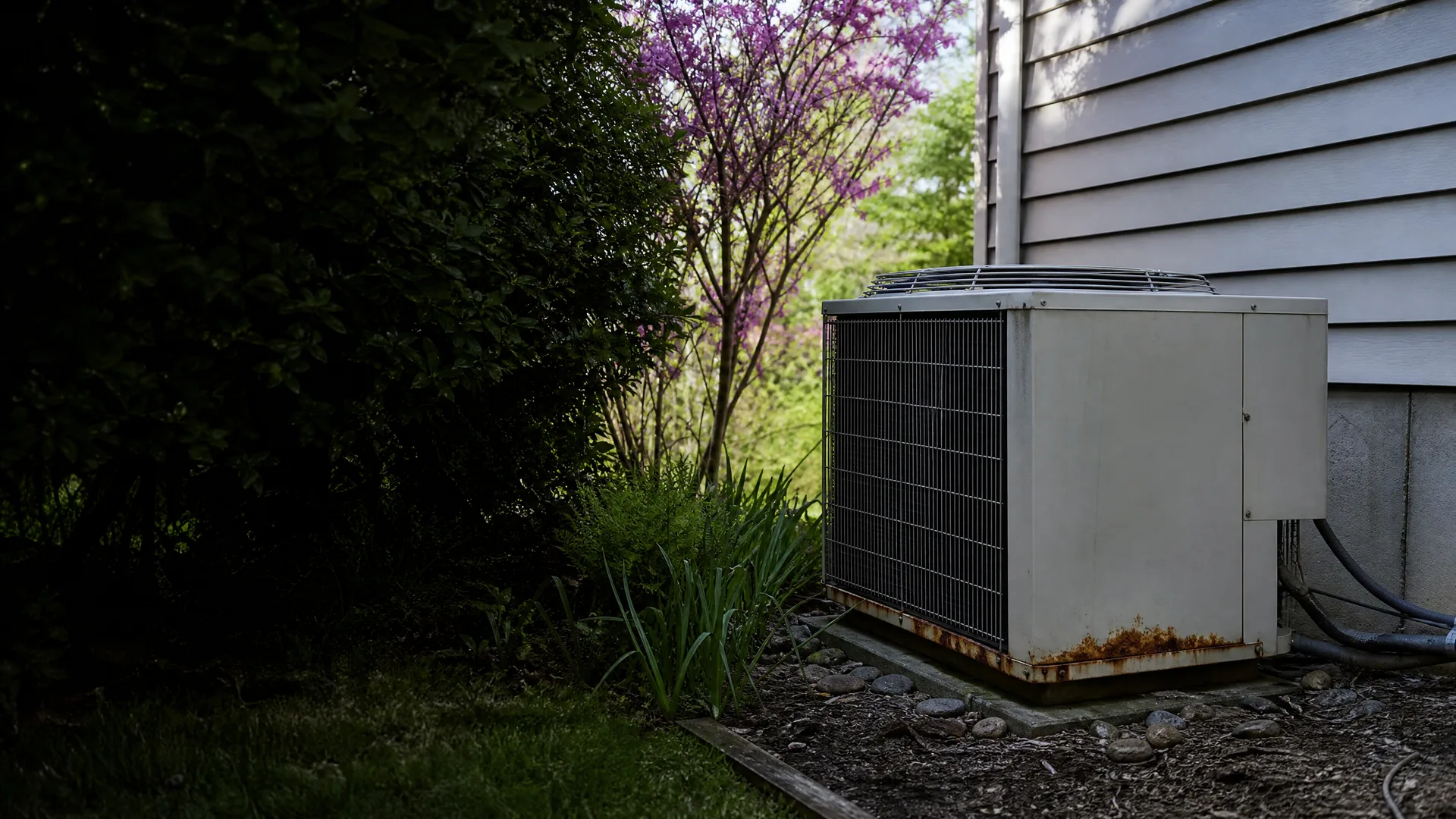
An outdoor air conditioning condenser unit with rust streaks sits on a concrete pad beside a light-colored lap-sided house, surrounded by shrubs, gravel and a flowering tree.

You're out checking the yard on one of the first warm days in March, and you notice the outdoor unit sitting by the fence has rust creeping along the base. It ran hard all winter to keep the house even near 20 degrees, and you could hear it. Now the ice is gone and the cabinet looks tired from it. You crouch down and press a thumb against the rust. It holds, for now. You think about the gas furnace that kicked in on the coldest nights, carrying the load the heat pump couldn't, and wonder how many more winters this outdoor unit has before it can't carry its share either.

Why does my living room feel cooler when it's freezing out

You turn up the thermostat and the air coming out feels lukewarm instead of hot, especially once it drops into the teens. The unit outside runs longer than it used to, sometimes close to nonstop, and you can hear it working. You might notice the gas furnace kicking on more than you'd expect, or the heat pump blowing air that doesn't feel like much at all near the vents. If the outdoor unit is building up frost and not clearing it between cycles, that's worth a second look. Left alone through a full winter, a heat pump that's struggling to keep up puts more load on the backup furnace and can leave rooms farther from the thermostat noticeably colder than the rest of the house.

A gray outdoor condenser unit on a concrete pad beside a house with horizontal lap siding, with a wall-mounted disconnect box, conduit and insulated refrigerant lines, a shrub at left and gravel at right.

Running the way it should

On a cold morning the unit outside should be moving air steadily, not laboring. Defrost cycles come and go in short bursts. If the gas furnace is set up to carry the load once it gets near freezing, the heat pump handles the milder stretches on its own and the house stays even.


An outdoor air conditioning condenser unit on a concrete pad beside a house with horizontal lap siding, with a green shrub to the left and a wide concrete slab in the foreground.

Signs it's struggling

A unit coated in frost that won't clear itself, or one that's been running long stretches without a break, is losing the fight with the cold. On a slab like this, with nothing shielding it from wind, that strain shows up faster, and the backup furnace ends up carrying more than it was sized for.

How does the heat pump decide when to switch to the gas furnace?

You've got a heat pump and a gas furnace working together, and you want to know what actually triggers the switch between them. You're not asking because anything's wrong. You just want to understand what's happening out there when it's 25 degrees and you hear the furnace kick on instead of the outdoor unit running longer.

A thermostat set up for this reads the outdoor temperature and hands off to the furnace below a set point

A dual fuel system uses a thermostat wired to track outdoor temperature, not just the temperature inside the house. Once it drops below a set point, usually somewhere in the 30s or low 40s depending on how the system was set up, the thermostat shuts off the heat pump and lets the gas furnace take over. Below that point the heat pump can still produce heat, but it takes more electricity to get the same warmth, and in Delaware, where power costs more than gas, the furnace does the job cheaper. The switch happens automatically. You shouldn't need to change anything by hand once it's set, though the exact cutoff is worth checking if you've never confirmed where it was set.

An outdoor heat pump unit on a concrete pad beside a house corner, with a small electrical box and conduit on the wall, gravel border, grass, and a plain light-colored wall filling the right side.

What defrost cycles are doing

When it's cold and damp outside, frost builds on the outdoor coil. The system has to stop and run in reverse for a few minutes to melt it off before it can keep heating. You might see steam coming off the unit during this, which is normal. It happens more on wet, raw days in the 30s than on dry days in the teens, because the coil picks up moisture faster. A unit running defrost every twenty minutes is working as designed, not failing.

A grey outdoor heat pump unit on a concrete pad beside a white stucco wall and dark siding with a downpipe, with gravel and grass in the foreground.

Why the furnace carries the coldest days

A heat pump's output drops as the temperature outside drops, while a furnace burns gas at the same rate no matter how cold it gets. That's why most systems here are set up so the furnace takes over once it's too cold for the heat pump to keep up on its own. The switch point is usually set somewhere in the 30s. Below that line, gas is doing the work even though the thermostat and ductwork look the same as always.

A smiling man in a denim shirt and white t-shirt stands in an open dark doorway of a stucco house, facing a woman with long brown hair and a green jacket seen from behind in the foreground.

What a hard January does to the unit by your fence

By late January, the outdoor unit has been running for weeks without much of a break. On the coldest mornings you'll hear it cycle into defrost more often, and the air from the vents will feel cooler than it did in November even though the system is working harder. That's normal for a heat pump down into the teens. What isn't normal is a furnace that never seems to kick in, or a house that can't hold 68 no matter where you set the thermostat. If the backup gas furnace isn't staged right with the heat pump, you end up paying for electric heat strips to cover the gap, and in Delaware, with power priced the way it is, that shows up fast on the bill.

A setup that's sized and staged for your house doesn't make you choose between comfort and cost on the coldest week of the year. Getting that right from the start, matched to your ductwork and your furnace, isn't something you want to leave to guesswork. A local contractor who installs these systems every winter in this area knows how your gas furnace and heat pump should hand off to each other, and can set it up so you're not finding out the hard way in February.

Interior corner of a room with a window and sheer curtain at left, a gray upholstered sofa with a cushion at right, and a round wooden table holding stacked books and a round vase with an olive branch.
A woman with long gray hair wrapped in a checked blanket sits on a sofa by a window with yellow autumn foliage outside, with a lamp, framed picture and plant in the background.
An older woman in a cream knit sweater sits on a sofa by a window, looking out at sunlit trees with yellow and orange autumn leaves, with a bookshelf and lamp behind her.
A woman with gray shoulder-length hair in a dark knit sweater sits on a cushioned seat by a window, looking out at yellow autumn foliage, with a living room, armchair, houseplant and framed picture behind her.
An older woman with gray hair in a bun, wearing a cream knit sweater, sits on a sofa with a gray blanket and looks out a large window toward yellow-green autumn trees, with a lit table lamp and dark armchair behind her.

A heat pump pro near you

Your request goes to one pro, not a list of companies.

There's no charge for the request.

Running the heat pump alone

Some homes here really do run on just the heat pump, no gas backup at all. It'll carry the house down into the 30s without trouble, and most days through November and early December that's all it needs. Once temperatures drop into the 20s and teens, the unit has to run longer stretches and lean on defrost more often. It can still hold the house, but it's working for every degree, and the power bill in January reflects that. If the outdoor unit is older or undersized for the house, this is where it shows. You'll feel it as air that's warm but not hot, and a thermostat that takes longer to climb.

Running it with a gas furnace

Most homes in Delaware pair the heat pump with a gas furnace, and that changes what winter asks of each one. The heat pump covers the mild stretches, which is most of the season, since gas costs more to run than the heat pump does in that range. Once it gets cold enough that the heat pump can't keep up or keep up efficiently, the system switches over and the furnace carries the house through the hardest days. Neither one runs flat out all winter. The heat pump does the easy work, the furnace does the hard work, and the house stays even either way. Getting that switchover point set right is what makes the pairing worth having.

An outdoor air conditioner condenser unit on a concrete pad beside a house with beige vinyl siding, with a gray electrical disconnect box and insulated refrigerant lines on the wall and river rock to the right.
Before you get your heat pump installation
A gray outdoor condenser unit sits on a concrete pad against a house wall with horizontal siding above a stone veneer base, with an electrical disconnect box and conduit on the wall and a leafy shrub in mulch to the left.
After you get your heat pump installation
A two-story gray horizontal-siding house with multiple gables, a covered front porch with white columns and railing, and a dark front door, fronted by a patchy green and brown lawn under a clear blue sky.

Delaware summers average a dew point of 65°F across June, July and August, based on averages for where homes in the state sit. That's the sticky, heavy air that makes a plain thermometer reading feel worse than it sounds. Your heat pump has to pull that moisture out of the air as it cools the house, which is a different job than just lowering the temperature. On the muggiest days you'll notice the system running longer stretches to keep the house feeling dry, not just cool. A unit sized and installed with that moisture load in mind will handle it without straining, which matters for the same equipment once winter asks it to run the other direction.

NASA POWER T2MDEW county cells weighted by homes

A woman in a cream knit sweater sits in an armchair with her eyes closed and a slight smile, beside an open window showing orange autumn foliage, with a mug, books and a lit candle on a small side table.
An older man with gray hair and a beard leans back on a beige sofa with his eyes closed, in a sunlit room with potted plants, a wicker chair and large windows behind him.

Size the heat pump for the gas furnace it's paired with, not for Delaware's coldest week alone. An installer can undersize the heat pump on purpose and let the furnace take over early, or size it to carry more of the winter itself.

Size it wrong either way and you pay for it. Too small and the furnace runs more than it should, burning more gas than the setup was meant to. Too big and you've spent money on heat pump capacity that sits idle most of the winter, covering only the days above freezing.

Power costs 17.15 cents per kilowatt-hour statewide

At 17.15 cents a kilowatt-hour, every hour your heat pump runs through January adds up faster than it would on gas. That's part of why most homes here keep the furnace as backup instead of asking the heat pump to carry the coldest stretch alone.

EIA-861 2025 statewide residential average

Where this leaves you

  • A heat pump can carry a Delaware winter, but it needs a gas furnace behind it once temperatures drop into the 20s and below.
  • How well the pair performs comes down to sizing: matched right to the furnace, the switchover is smooth and the heat pump isn't straining.
  • A unit sized wrong either leans on the furnace too soon or asks the heat pump to do more than it should in the cold.
  • An installer who works on these systems every winter in Delaware knows which sizing mistakes show up by January and which don't.
  • Getting matched with one local, licensed contractor means one conversation about your setup, not a handful of competing quotes to sort through.
  • The right install now is what keeps the unit running steady instead of straining through the next cold snap.

A heat pump handles a Delaware winter fine down into the 20s and often lower, as long as a gas furnace is sized to take over when it should. That pairing is the whole question. Get the sizing right and the switchover between the two happens without you noticing, the heat pump carrying the mild stretches and the furnace stepping in once it's genuinely cold. Get it wrong and you'll see it by January, either the furnace kicking in too early on days the heat pump could still handle, or the heat pump straining through a cold snap it was never meant to carry alone.

This isn't something you can check by looking at the unit outside. It comes down to how the system was sized against the furnace when it went in, and that's a judgment an installer makes, not something printed on the equipment. Someone who installs these pairings in Delaware every winter has seen which sizing choices hold up through a hard January and which ones show up as a cold living room or a unit that won't stop running.

When you request a quote here, you're matched with one contractor local to Delaware, not a string of companies bidding against each other. That means one conversation about your specific setup, your furnace, your house, what you're seeing, with someone who installs this pairing in weather like yours and knows what tends to go wrong with it. The install now is what decides whether the system runs steady through the next cold stretch or you're back here asking why it isn't keeping up.

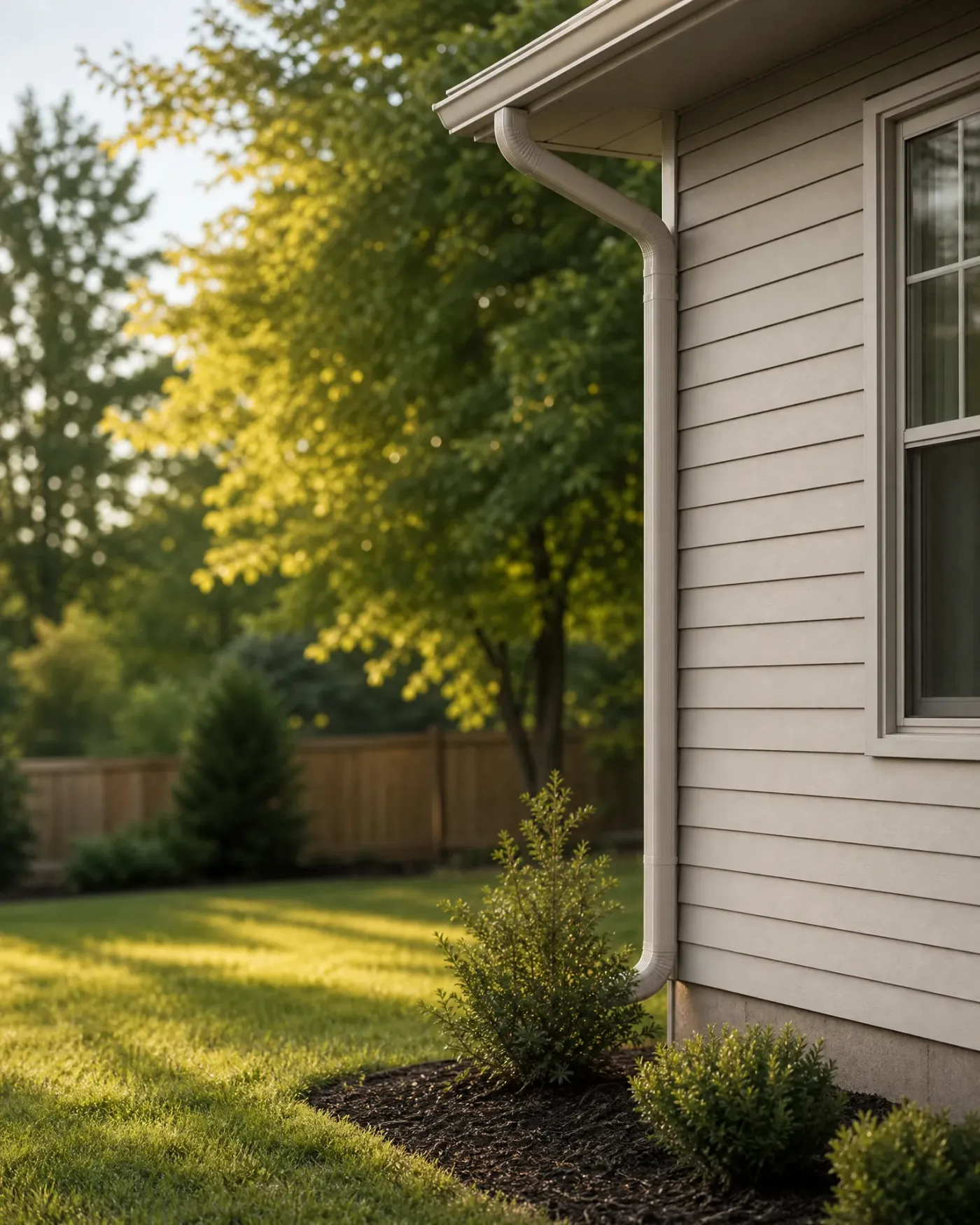
Corner of a house with light horizontal lap siding, a white gutter and downspout, and a window, beside a mulched bed with small shrubs, a lawn, wooden fence and trees in the background.
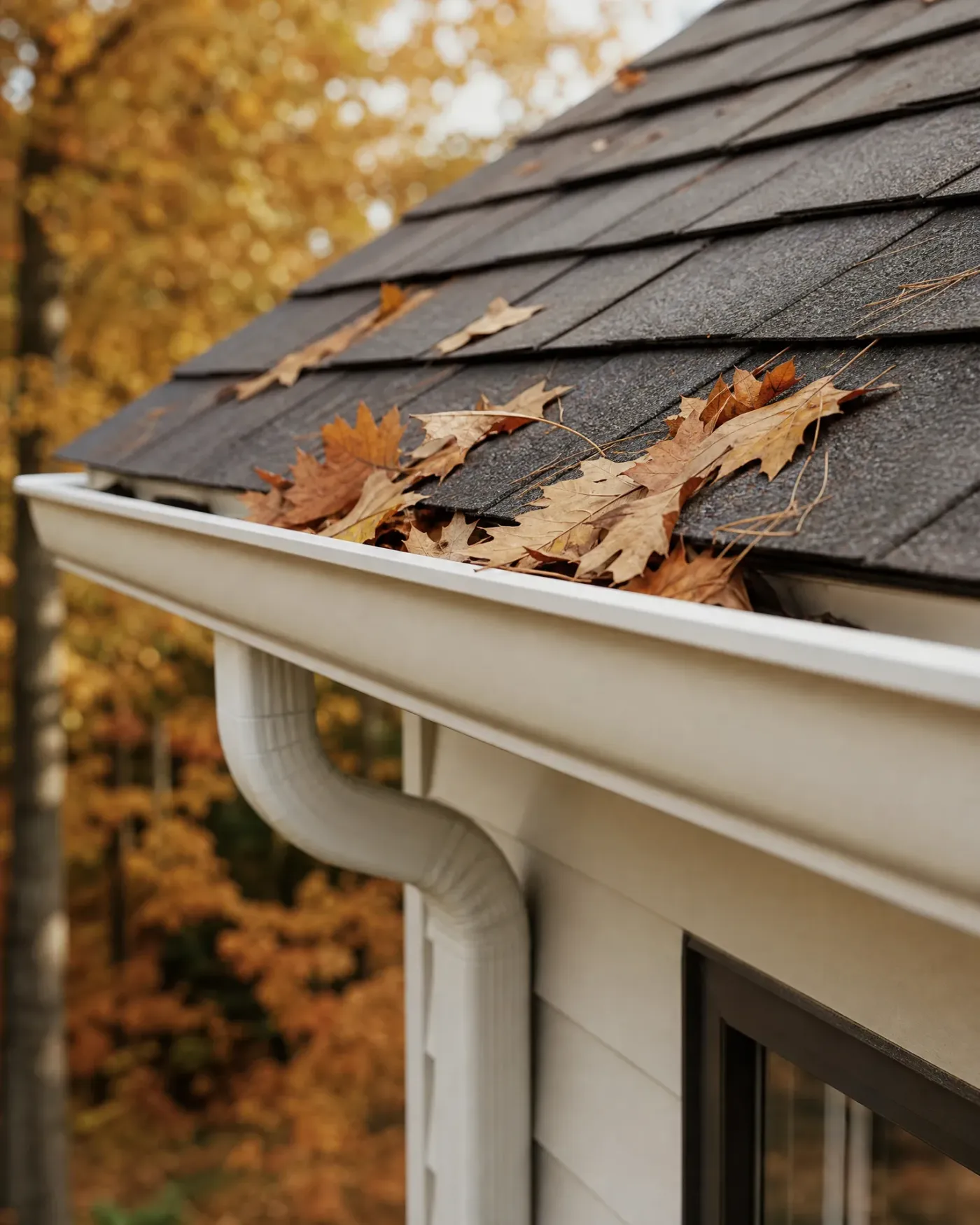
Close-up of a white gutter along an asphalt-shingle roof edge with dry brown leaves collected in it, a downspout and lap siding below, and blurred autumn trees in the background.
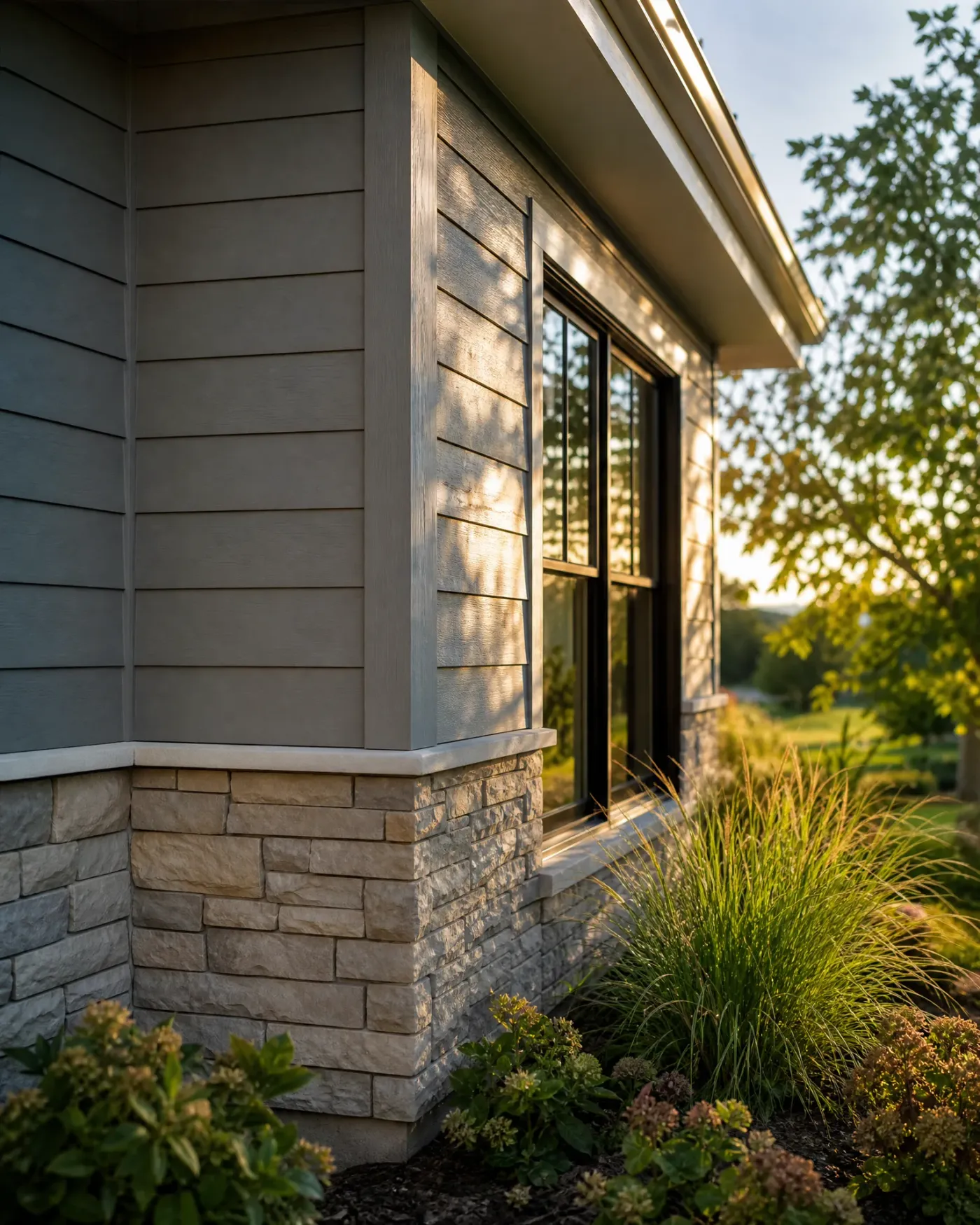
Exterior corner of a house with horizontal lap siding above a stone veneer base and a dark-framed window, with ornamental grasses and shrubs in the foreground and trees in low sunlight behind.
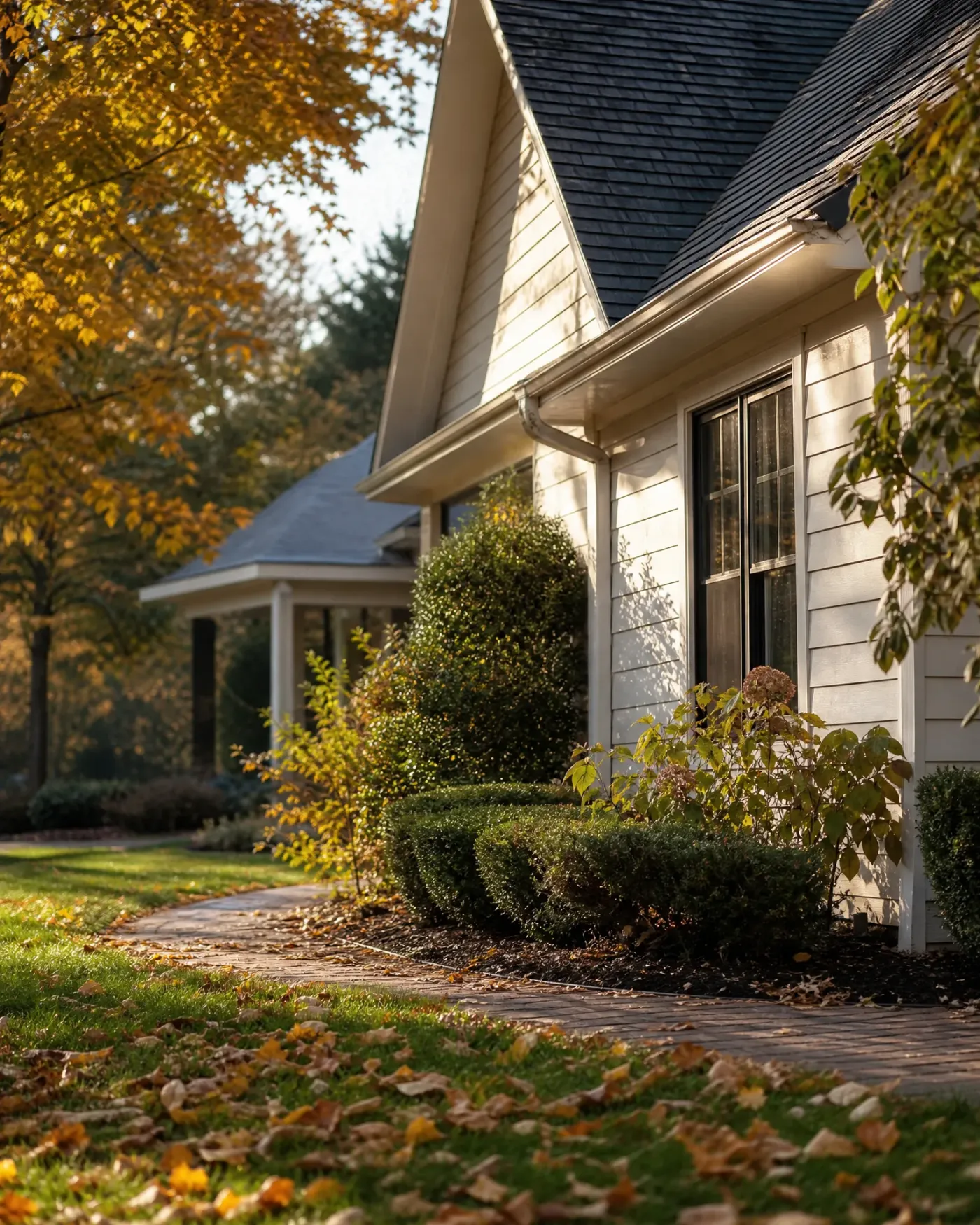
A white horizontal-siding house with a steep gray shingled gable roof, fronted by trimmed shrubs, a brick walkway, and a lawn scattered with fallen autumn leaves.
Corner of a house with cream horizontal lap siding, a black-framed window, asphalt shingle roof with dark fascia, white hydrangea blooms and green shrubs below, and a leafy tree and wood fence to the right.

A local pro for your heat pump installation

One installer gets your project, so there's no bidding war over it.

Request a pro

You only hire the pro if you want to.