

Running the way it should
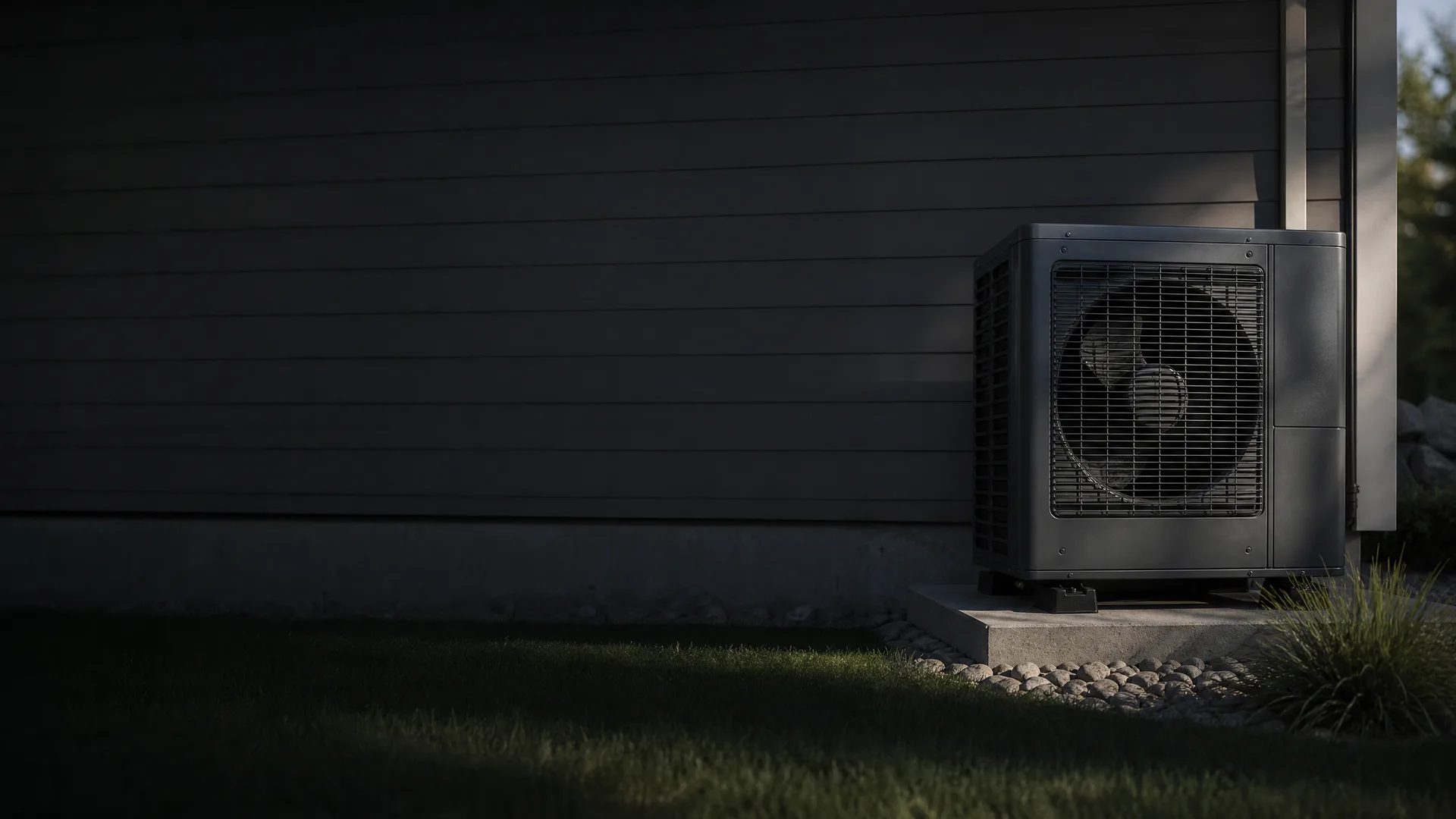
A clean heat pump cycles on, moves heat, and shuts off. The coil fins stay clear so the unit sheds heat the way it's built to. Nothing around the base blocks airflow, so it doesn't have to run longer than it needs to.
After you send the request, you're done searching.
Hand off my repairA heat pump works harder once temperatures drop, and Delaware winters bring enough cold nights to push it. You're watching the bill climb and wondering if the system itself is struggling or if this is just what winter costs with a heat pump. Most of your neighbors heat with gas, so there's no one next door to compare notes with. Power here isn't cheap either, which makes the jump harder to shrug off.
Below a certain outdoor temperature, a heat pump can't pull enough heat from the outside air on its own, so it switches on electric resistance strips to make up the difference. Those strips use a lot more power than the heat pump's normal operation, and Delaware's cold snaps are enough to trigger them regularly through the winter. If your bill jumps hard on the coldest weeks, that's often exactly what's happening. It can also mean the heat pump itself is underperforming, struggling to pull its weight before the backup heat kicks in at all, which means the strips run longer and more often than they should. A system low on refrigerant or with a failing component will lean on backup heat sooner and harder than one running right.

A clean heat pump cycles on, moves heat, and shuts off. The coil fins stay clear so the unit sheds heat the way it's built to. Nothing around the base blocks airflow, so it doesn't have to run longer than it needs to.

Dirty coil fins and leaves piled against the cabinet choke off airflow. The unit has to run longer to do the same job, and on a cold night that extra runtime shows up on the bill. A tech who services these year-round can tell you if that's what's driving yours up.




A heat pump pulls heat out of outside air, and the colder that air gets, the less heat it holds. Below freezing, the system has to run longer to pull the same warmth out of the air and push it inside. That's just how the cycle works, not a sign of trouble by itself. But when a coil is dirty or the refrigerant charge is low, that normal extra work turns into a lot more. The unit ends up running most of the night instead of cycling on and off, and the bill shows it.
Some frost on the outdoor coil on a cold morning is normal, and the system should clear it through a defrost cycle. If the coil stays frosted over or iced up for hours, the heat pump can't pull heat from the air the way it needs to, so it leans harder on backup heat strips to keep the house warm. Those strips use a lot more power than the compressor does. A licensed technician can tell from the frost pattern and the defrost cycle itself whether the reversing valve, a sensor, or something else is behind it.


A furnace running on gas has one job. A heat pump in a Delaware winter is doing something harder, and when a part inside it wears down, the system doesn't quit outright, it just works longer to make up for it. That's why the bill tells you something is wrong before you can hear or see it. A stuck reversing valve, a weak defrost board, a low charge, any of these will push your runtime up night after night, and on top of Delaware's power rates that adds up fast. Waiting through another cold stretch to see if it corrects itself only means more of those nights on the meter. Someone who services this equipment every winter here knows which of these tends to go first and can tell you quickly whether it's a fix or something the system can keep living with. Send the request once and it goes to that one contractor, not a handful of them competing for your callback.
Frost builds on the outdoor coil whenever the air is cold and damp enough, and that frost has to come off or the coil can't pull heat from the air anymore. So the system flips the reversing valve and runs backward for a few minutes, sending heat outside instead of in. That's what melts the frost. While that's happening, your house isn't getting heat from the heat pump, so a strip heater or your furnace kicks on to cover the gap. A few minutes every hour or two, especially on a cold, wet night, is just the system doing its job. The trouble starts when that cycle runs too often or doesn't fully finish. A defrost sensor reads the coil temperature and tells the control board when frost has built up and when it's gone. If that sensor drifts or the control board misreads it, the system can start defrost cycles it doesn't need, or stay in one longer than it should. Each time that happens, you're paying to run the strip heater or furnace to cover the house while the outdoor unit works on ice that may barely be there. Walk outside and look at the unit. Frost that clears between cycles is normal. A coil that stays white or iced over most of the time means the defrost control isn't shutting off when it should, and that's a repair, not something to wait out.


At 17.15 cents per kilowatt-hour, every extra hour your heat pump runs on a cold night shows up fast. A unit working harder to pull heat from freezing air isn't using a little more power, it's using a lot more, and that difference lands squarely on your bill.
EIA-861 2025 statewide residential average
A heat pump bill that climbs in January isn't a mystery. Cold air holds less heat, the system runs longer to pull it out, and a worn part makes it run longer still. That's the whole answer. What you do with it is decide whether the jump is just winter doing what winter does, or whether something in the unit is making it work harder than it should. A tech who services heat pumps all winter in Delaware has seen which parts give out first in this kind of cold, and can tell you in one visit which one it is. You'll get matched with one licensed local contractor, not a handful of companies competing for your callback, so the person who shows up is the one who looks at your system, not a dispatcher reading a list. Send the request and that search becomes someone else's job instead of yours.
Only one pro gets your request, so you hear from one company.